How do carbon monoxide catalysts purify automobile exhaust?
Cars are a symbol of modern life, but the carbon monoxide emitted from their exhaust poses a serious threat to our health and the environment. Where does the CO in automobile exhaust come from? And how serious are its hazards? When gasoline is burned in a car engine, a precise fuel-air mixture is required. When there is insufficient air (the mixture is too rich) or the combustion time is insufficient, large amounts of colorless and odorless carbon monoxide gas are produced, which can pose a life-threatening risk. The application of carbon monoxide catalysts promptly addresses this problem.
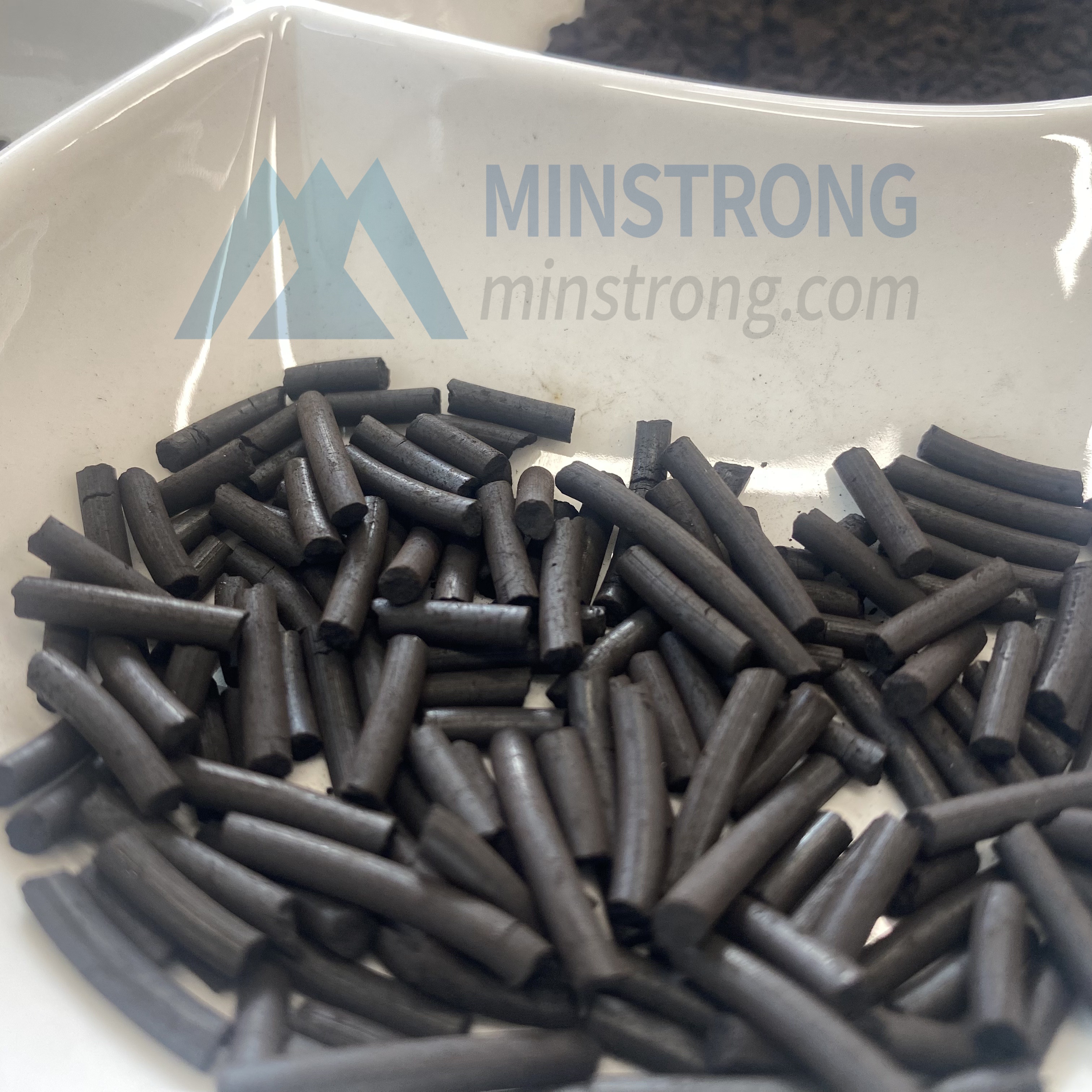
When hot exhaust gas passes through the exhaust pipe and enters the catalytic converter, the carbon monoxide catalyst absorbs CO and oxygen molecules from the exhaust gas onto its surface, significantly lowering the energy threshold (activation energy) required for the reaction. This allows the two to react rapidly at a relatively low temperature: 2CO + O₂ → 2CO₂. Thus, under the "matchmaking" of the carbon monoxide catalyst, carbon monoxide is efficiently converted into carbon dioxide.
The
carbon monoxide catalyst is a silent guardian of our respiratory safety. Through its efficient catalytic reaction, it converts deadly toxic gases in vehicle exhaust into harmless substances. Understanding its principles and maintaining it properly is not only a sign of caring for your car, but also a responsibility to protect ourselves and the environment.
author: Hazel
date: 2025-08-29

 Skype
 WhatsApp
