How to Select Manganese Dioxide in the Glass Industry?
Manganese dioxide is a highly efficient and versatile raw material in the glass industry. Choosing the right manganese dioxide for its application can effectively improve production efficiency and reduce product costs.
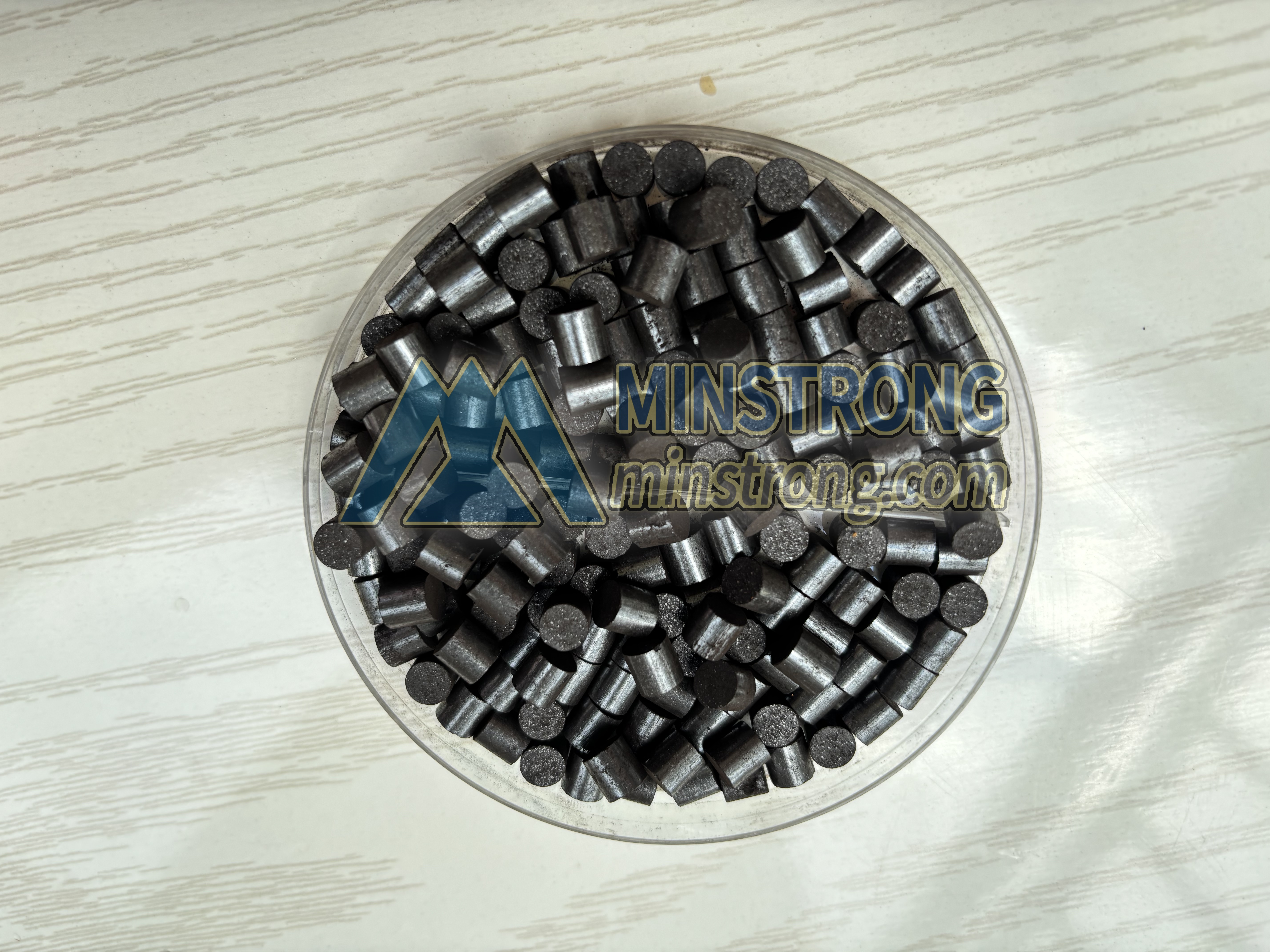
1. The Role and Advantages of Manganese Dioxide in the Glass Industry
Manganese dioxide can be used as a
colorant in glass. Glass raw materials often contain impurities, such as ferrous iron, which can cause glass to appear light green. Manganese dioxide oxidizes the ferrous iron to ferric iron, which then appears as a faint yellow tint. During this reaction, some of the manganese dioxide is also reduced to violet manganese dioxide, which is then converted to purple manganese dioxide. Therefore, the combination of purple and yellow makes the glass appear colorless and transparent, enhancing its transparency. Adding more manganese dioxide can produce colors such as light purple, dark purple, and black, depending on the proportion of copper oxide added.
Manganese dioxide is inexpensive to use in the glass industry, and its production process is mature, making it a highly cost-effective functional additive.
2. Selecting Manganese Dioxide Based on Specifications: Addressing Different Applications
Not all manganese dioxide is suitable for the glass industry; it must be carefully screened based on its physical and chemical specifications. Key considerations include:
MnO2 purity:
High-purity manganese dioxide, with a content of over 80%, is generally suitable for high-quality colorless optical glass and crystal glass with extremely stringent color requirements, as well as for use as a colorant. High purity ensures accurate and consistent color response and avoids unexpected color tints caused by impurities.
Medium-purity manganese dioxide, with a content of approximately 55% to 75%, can be used as a decolorizer in the production of ordinary flat glass and container glass. It ensures excellent decolorization while effectively controlling raw material costs.
Low-purity manganese dioxide is generally not recommended for use in high-quality glass production, as excessive impurities can cause bubbles, streaks, or strength issues.
For decolorization of household and architectural glass, a manganese dioxide with a content of 55% to 75% is recommended as it offers a cost-effective solution. For high-end optical glass production or tinting, high-purity, low-impurity manganese dioxide should be selected.
author: Hazel
date: 2025-09-03

 Skype
 WhatsApp
