How to Rectify Excessive Carbon Monoxide Levels in Industrial Exhaust Gases?
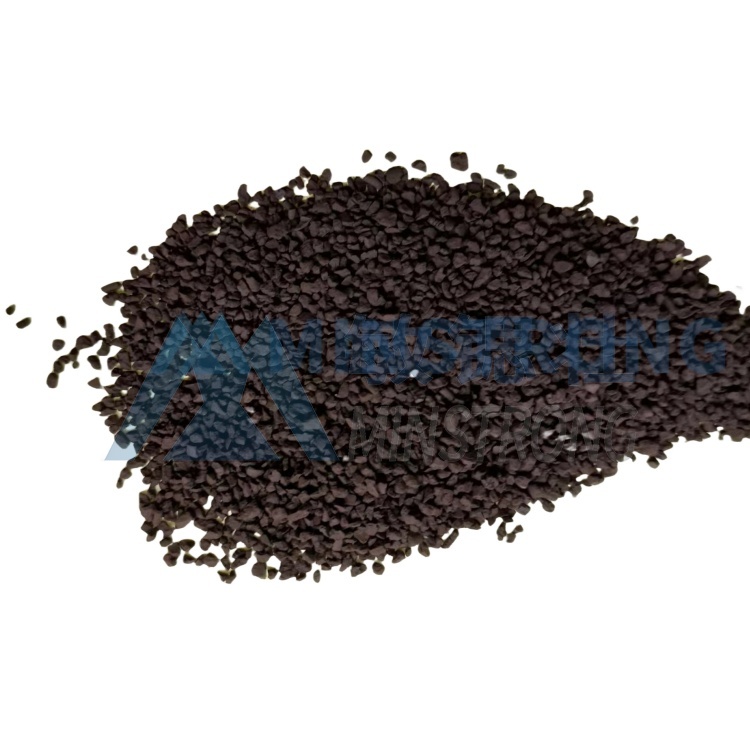
Excessive carbon monoxide in industrial exhaust gases has become a key issue restricting enterprises from meeting environmental emission standards.
The core sources include two categories: first, the fuel combustion process, such as coal-fired and oil-fired equipment, where improper air distribution leads to incomplete combustion, with coal-fired chain grate equipment having significantly higher CO emissions than oil and gas furnaces; second, process emissions, covering industries such as casting, refining, and sintering, where the amount of CO generated from solid waste incineration even exceeds that from conventional fuel combustion sources.
Rectification requires a combination of source control and end-of-pipe treatment.
At the source, CO generation can be reduced by optimizing combustion parameters and upgrading energy-saving burners; in end-of-pipe treatment, carbon monoxide catalytic purification technology has become the mainstream choice due to its high efficiency. These catalysts reduce the activation energy of the CO oxidation reaction, converting it into harmless CO₂, with mainstream types including noble metal-based honeycomb catalysts, iron-chromium shift catalysts, and moisture-resistant composite metal oxide catalysts.
The engineering practice of a large-scale sintering production line is highly representative.
This project utilizes a precious metal-based honeycomb catalyst, installed in the existing spare layer of the exhaust gas treatment tower. It processes a total flue gas volume of 1.6 million m³/h. After 4 months of operation, the catalytic efficiency stabilized at 76%-85%, and the CO emission concentration decreased to 1070-2365 mg/m³, far below the environmental limit of 2800 mg/m³. Simultaneously, the exothermic CO oxidation increased the flue gas temperature by 33-55℃, resulting in a 63%-100% reduction in auxiliary fuel consumption, equivalent to a 3.4 kg standard coal/ton reduction in energy consumption for the corresponding production process.
During catalyst selection, compatibility is crucial. For high-humidity environments, rare earth-modified composite metal oxide catalysts are preferred, as their specific surface area remains above 180 m²/g even at 60% humidity. For sulfur-containing conditions, cobalt-molybdenum-based sulfur-resistant catalysts are suitable, achieving a conversion rate of over 95% at low temperatures. The addition of a pre-filtration layer reduces impurity poisoning, extending the catalyst lifespan to 2-3 years and lowering operation and maintenance costs.
Carbon monoxide catalysts achieve a win-win situation of
carbon monoxide emission reduction and energy recovery. Combined with source optimization, a comprehensive rectification system can be established, helping enterprises efficiently achieve environmental compliance goals.
author: Hazel
date: 2026-01-05

 Skype
 WhatsApp
