What Effect Does the Amount of Manganese Dioxide Catalyst Have on the Reaction?
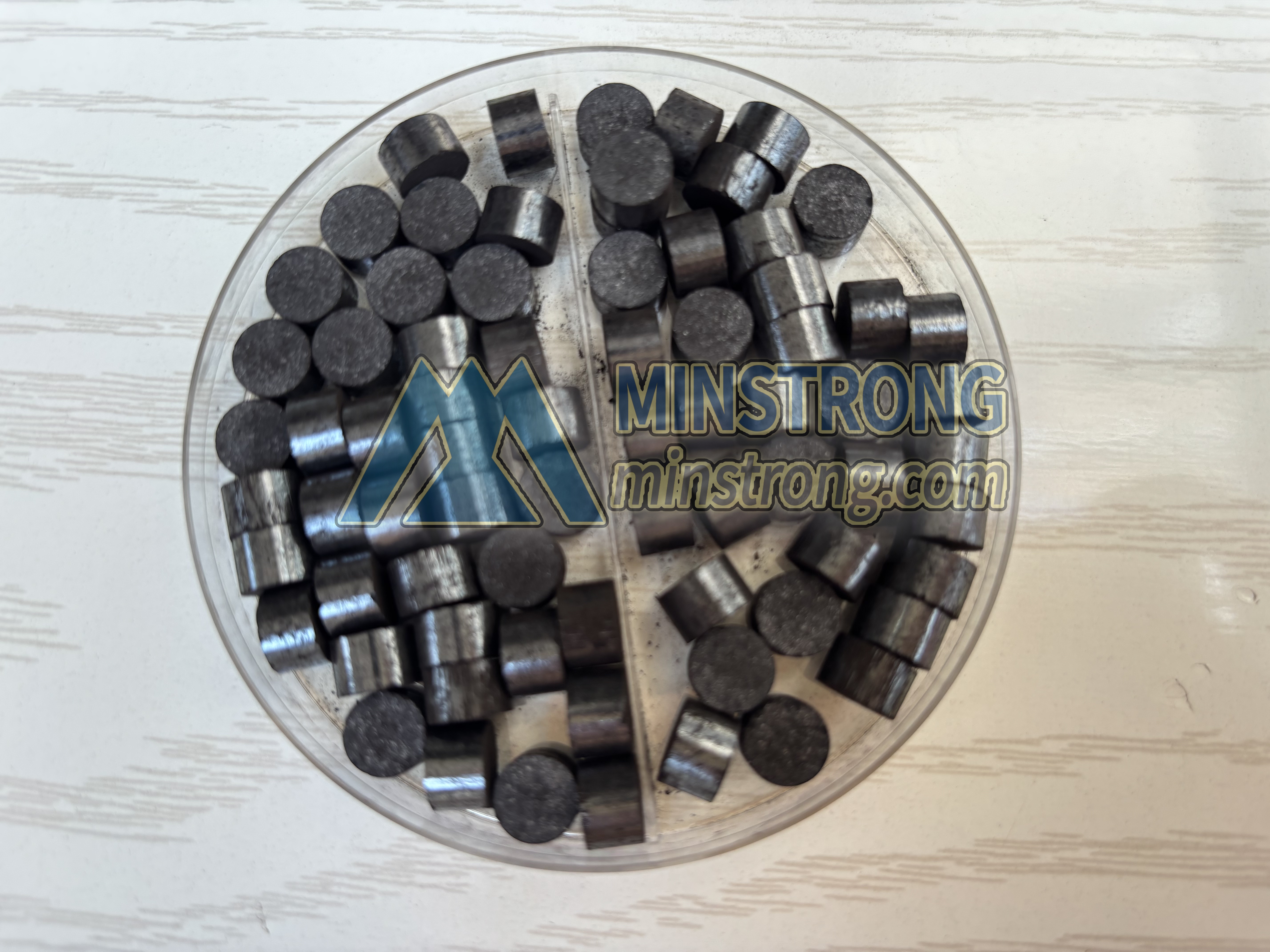
As a highly efficient and economical heterogeneous catalyst, manganese dioxide catalysts are widely used in industrial production and laboratory research. Its core applications include hydrogen peroxide decomposition, potassium chlorate oxygen production, organic alcohol oxidation, formaldehyde degradation, and industrial wastewater treatment. In the field of industrial wastewater catalytic oxidation treatment, the dosage of manganese dioxide directly determines treatment efficiency and cost, making it a core parameter of concern in the industry.
I. Insufficient Dosage: Low Reaction Efficiency, Substandard Treatment
Manganese dioxide accelerates oxidation reactions by providing active sites. Insufficient dosage limits the number of active sites, leading to a slower reaction rate and incomplete pollutant degradation. Research published in VIP Journal shows that when treating naphthol green wastewater with a COD of 1533 mg/L, using only 1000 mg/L chlorine dioxide without manganese dioxide resulted in a COD removal rate of only 45.3% after 60 minutes. A dyeing and printing factory previously experienced a wastewater decolorization rate consistently below 60% and failure to meet discharge standards due to a manganese dioxide dosage that was less than 50% of the design value.
II. Appropriate Dosage: Maximizing Efficiency and Optimizing Cost
When the dosage reaches the "active site saturation threshold," the reaction efficiency reaches its peak, and the cost remains controllable. In the same wastewater treatment experiment, adding 5g of MnO₂-SiO₂ catalyst, with the same chlorine dioxide dosage, increased the COD removal rate to 70.9% and the decolorization rate to 96.8% within 30 minutes, halving the reaction time. Laboratory hydrogen peroxide decomposition experiments also confirmed that 0.1-0.2g of manganese dioxide can fully catalyze the rapid decomposition of 10-20mL of hydrogen peroxide; further increasing the dosage did not significantly improve efficiency.
III. Excessive Dosage: Dragging Down Costs and Causing Side Reactions
Excessive dosage does not improve efficiency but instead increases solid waste treatment costs and may even cause side reactions. A chemical company increased its wastewater treatment cost by 40% after doubling the appropriate manganese dioxide dosage, but the COD removal rate only increased by 2.1%. Furthermore, high concentrations of manganese dioxide may react with reagents in wastewater to generate impurities, leading to a decrease in the BOD₅/COD ratio in subsequent biochemical treatment.
The dosage of
manganese dioxide catalyst needs to be determined experimentally to achieve an "appropriate threshold," balancing efficiency and cost. Precise dosage control is crucial for achieving catalytic effectiveness in scenarios such as wastewater treatment and hydrogen peroxide decomposition.
Author: Hazel
Date: 2025-11-17

 Skype
 WhatsApp
