
In the field of industrial catalysis, copper oxide (CuO) has become a favored catalytic material due to its unique physicochemical properties. As a common transition metal oxide, it exhibits excellent performance in organic synthesis, waste gas treatment, and other scenarios, and its catalytic advantages are the core reason for its widespread application.
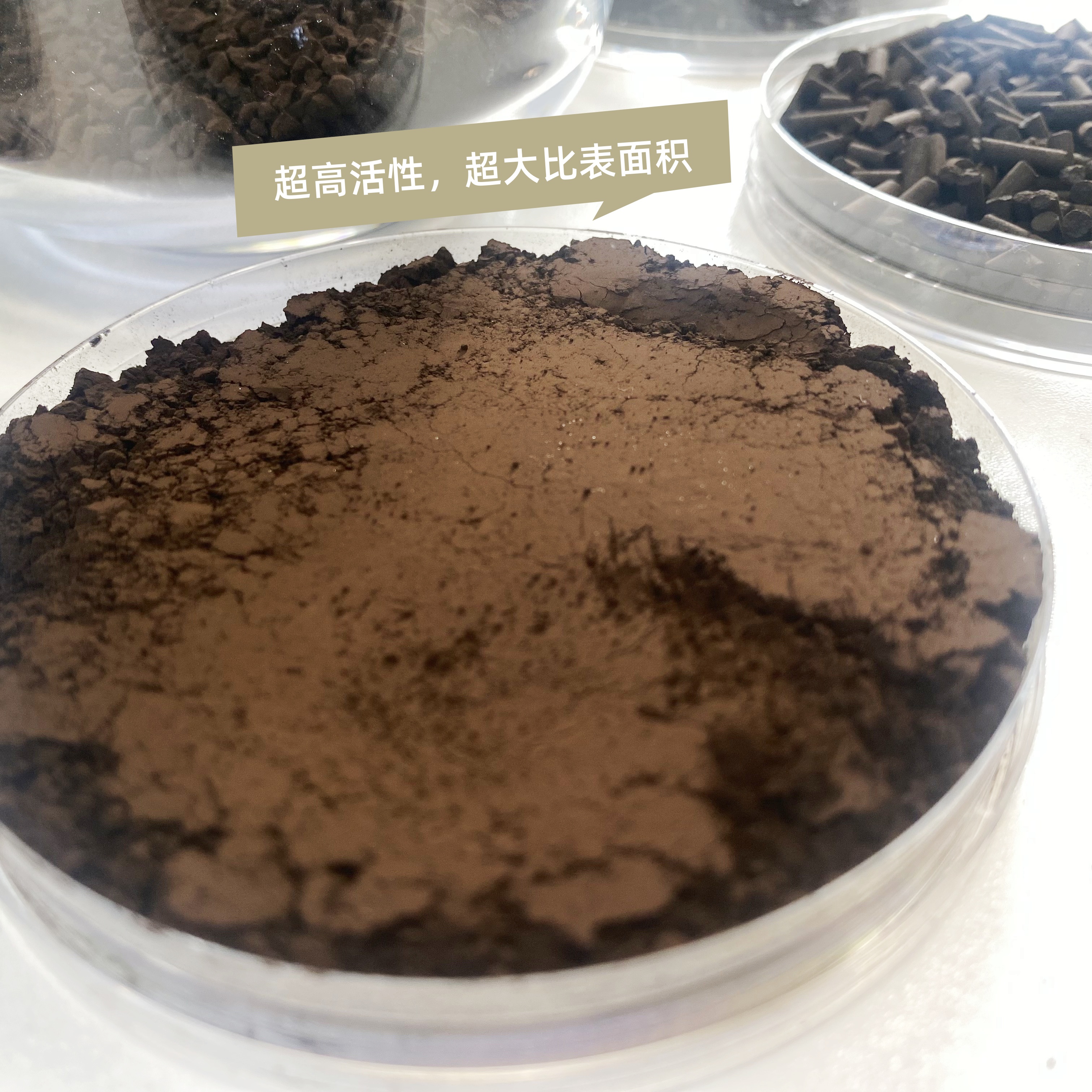
its lattice contains certain defects and oxygen vacancies. These structures provide adsorption sites for reactant molecules and allow it to participate in the formation and transformation of reaction intermediates through electron transfer, ultimately lowering the activation energy and achieving a catalytic effect.
In reactions such as methanol oxidation to formaldehyde and CO oxidation, copper oxide can precisely promote the target reaction, reduce by-product formation, and improve industrial production efficiency.
Compared to some precious metal catalysts, copper oxide can maintain its catalytic activity even at high temperatures and in certain corrosive environments, resulting in a longer service life.
Copper is an abundant metal in the Earth's crust. The preparation process of copper oxide is simple, significantly reducing industrial application costs and making it suitable for large-scale production.
Copper oxide itself is non-toxic and easily recycled after disposal, aligning with the trend of green chemistry and reducing secondary pollution.
The application of copper oxide catalysts has penetrated multiple industrial fields: in organic synthesis, it is used in fine chemical reactions such as the oxidation of ethylene glycol to glyoxal; in the environmental protection field, it is used as a desulfurizing agent to remove sulfides from industrial waste gas; in the energy field, it participates in electrocatalytic reactions in fuel cells, etc.
Despite its significant advantages, the following precautions should be taken when using it: avoid contact with compounds such as sulfur and phosphorus to prevent poisoning of active sites; control the reaction temperature, as excessively high temperatures may cause copper oxide to sinter, reducing the specific surface area; and protect it from moisture during storage to prevent clumping and affecting dispersibility.
Contact: Candyly
Phone: 0086-15308453884
Tel: 0086-731-84115166
Email: sales@minstrong.com
Add: E2 Building, Kinglory Science And Technology Industrial Park, Wangcheng Area, Changsha, Hunan, China.
 Skype
 WhatsApp
